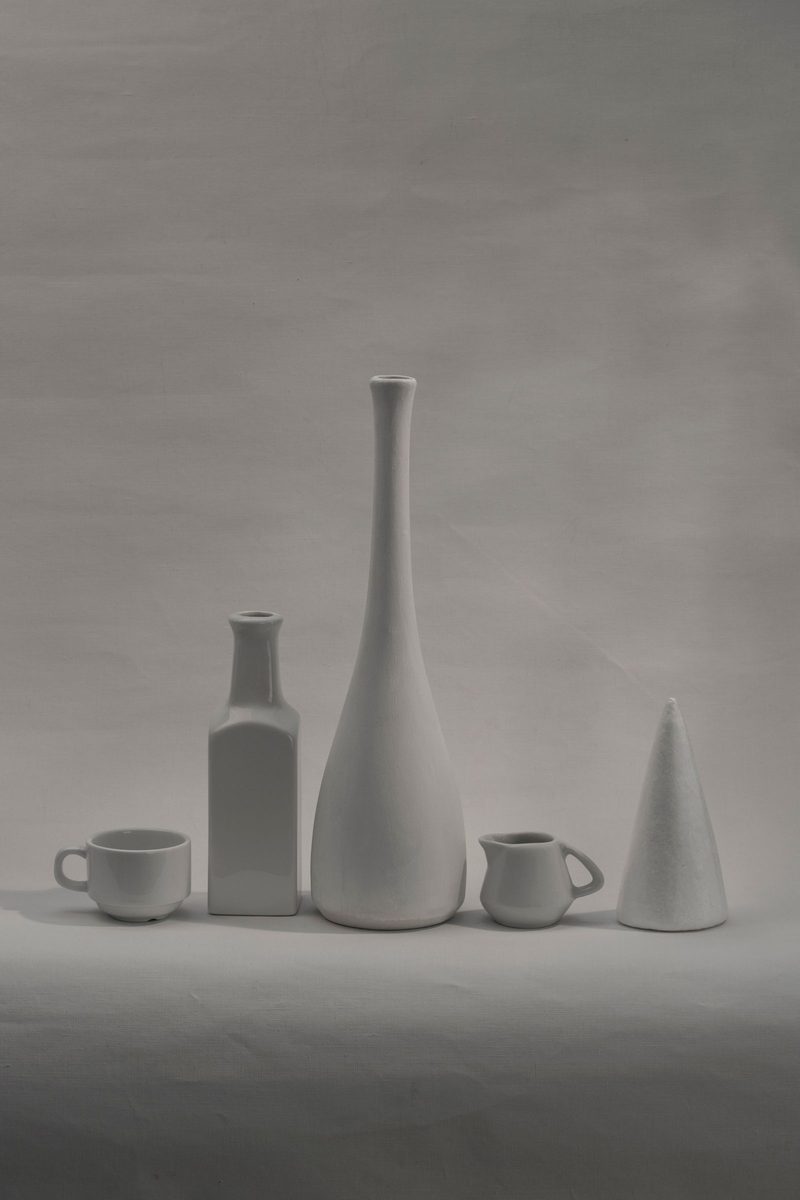
Copenhagen · since 2020
A shop that labels things
Five workshops, 26 objects, and a rule that nothing goes on sale without its material, its town and its year on the label.
Five workshops, 26 objects, and a rule that nothing goes on sale without its material, its town and its year on the label.
Stand in front of a bowl in a museum and a small card tells you what it is made of, where it was made and roughly when. Stand in front of the same bowl in a shop and you get an adjective and a price. Style Musei started in 2020 as an attempt to run a shop on the museum's terms.
So the card comes first. Every object here has a material, a workshop and a year, and the product page adds the batch size and a plain statement of what varies from piece to piece and what would count as a fault. If we cannot write that card, the object does not join the edit — which is why there are 26 objects and not four hundred.
The edit is small on purpose and changes slowly. A few objects a year are added when a workshop makes something worth adding, and a few leave when a glaze is retired or a mould is replaced.
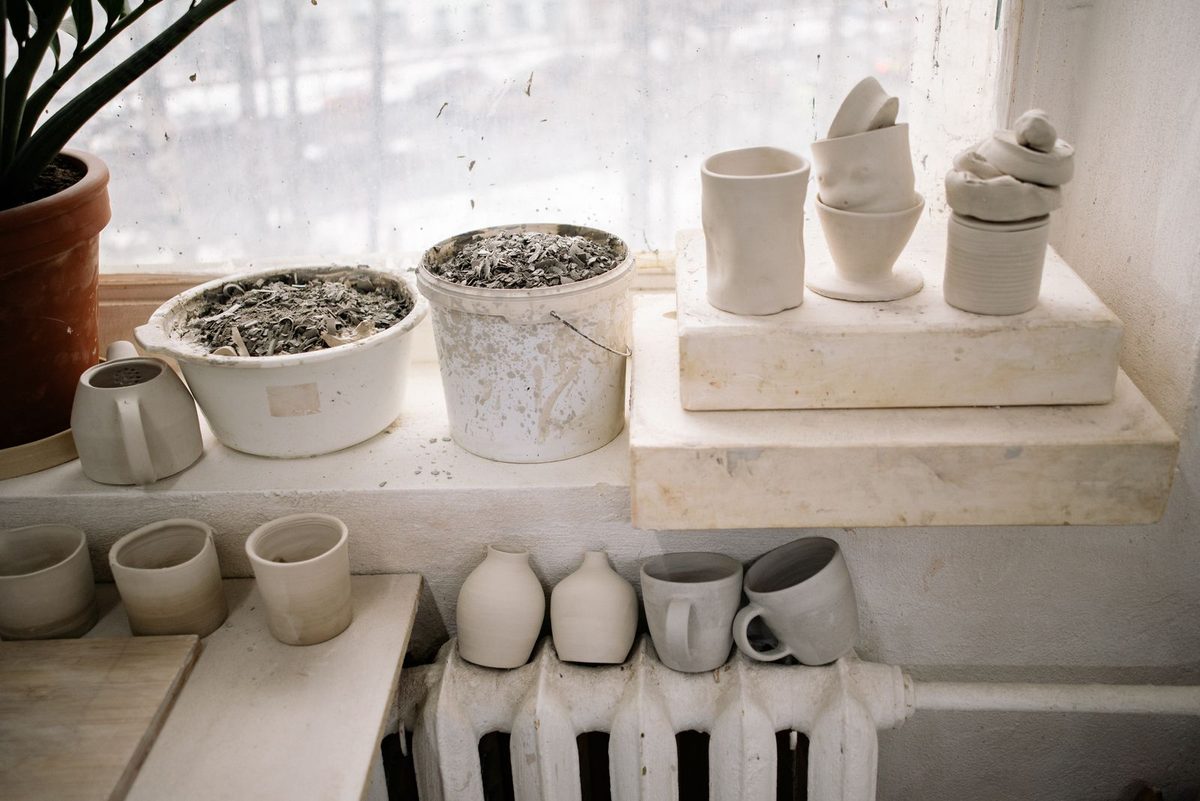
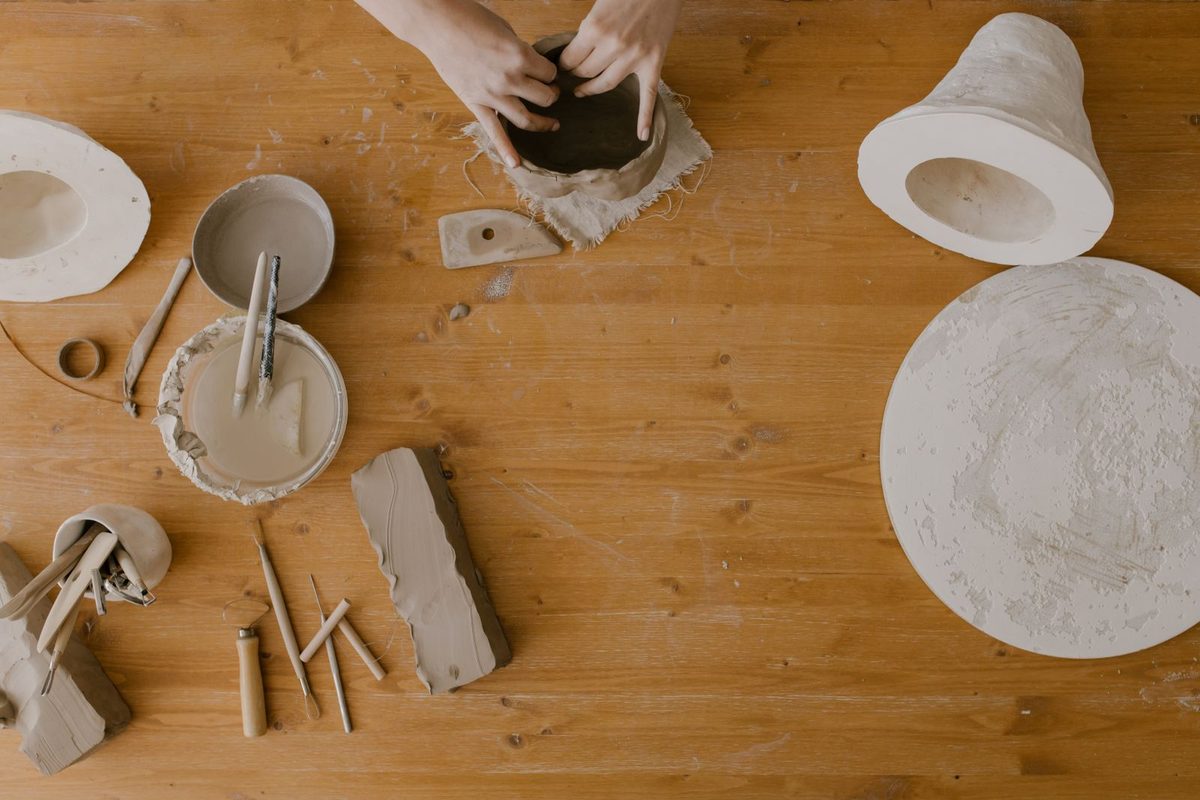 Five workshops
Each one is described in full, with its batch sizes and what varies, on the workshops page. In brief:
A studio of three people on the island's south coast. Slip-cast runs of forty, thrown runs of twenty, and one hand-coiled jar twelve at a time. The granite and marble objects come from a mason two villages over.
A two-furnace glassworks in the old glass district. Mouth-blown carafes and tumblers, mould-blown vases, and a pressed glass for households that break things.
A joinery that turns bowls, trays and candlesticks on the same lathes. Everything is oiled, nothing is lacquered, and the beeswax comes from the apiary next door.
A small lighting workshop that blows opal glass and spins steel shades. Fittings are wired for the EU and supplied with an LED bulb.
A family pottery that has thrown jugs since the 1960s. The one earthenware object in the edit is theirs, and they are retiring the rose glaze this year.
An edit is defined as much by what it leaves out.
No copies of museum pieces, no “inspired by” a named designer, no version of anyone else's chair, lamp or vase. Every design here is the workshop's own.
If the label says marble or granite, it is quarried stone. Cast resin with a marble print is not in the edit.
Lacquer looks perfect for a year and cannot be repaired. Oil can be renewed at home for as long as the object lasts.
If a maker cannot tell us the town, the batch size and the year, we do not stock it. That rules out most of what is offered to us.
Reproducing artwork is someone else's business and often someone else's copyright. The walls stay empty here.
Tell us where it is going and what it is for. We will say which object fits and, if none of them does, we will say that too.
Write to the studio